Technology has become an inseparable part of modern society, influencing the way people communicate, work, learn, travel, and manage everyday activities. From smartphones and artificial intelligence to smart homes and digital platforms, technological advancements continue to transform human experiences. The rapid growth of innovation has created new opportunities while changing traditional methods of completing daily tasks. Even simple online interactions and digital services have become essential parts of life, with platforms such as mild88a1.com contributing to the expanding digital landscape. As technology continues to evolve, its impact on individuals, businesses, and communities becomes more significant every year.
The Growing Role of Technology in Everyday Activities
Technology plays a major role in simplifying daily routines and improving efficiency. People now rely on digital devices for communication, entertainment, shopping, banking, and accessing information. Smartphones, for example, have replaced many separate tools by combining cameras, calendars, maps, payment systems, and communication applications into one convenient device.
The availability of high-speed internet has further increased technology’s influence. People can connect with others instantly, access global information, and complete tasks without physical limitations. Whether someone is attending a virtual meeting, ordering products online, or learning a new skill through digital courses, technology provides solutions that save time and effort.
Modern lifestyles are becoming increasingly dependent on digital tools because they offer convenience and flexibility. As innovations continue to develop, technology is expected to become even more integrated into everyday experiences.
How Smartphones Have Changed Human Interaction
Smartphones are among the most influential technological developments of the modern era. They have completely transformed the way people communicate and share information. In the past, communication often depended on letters, landline phones, or face-to-face meetings. Today, instant messaging, video calls, and social media platforms allow people to stay connected regardless of distance.
Beyond communication, smartphones provide access to countless applications designed to improve productivity and entertainment. Users can manage finances, track health goals, navigate unfamiliar locations, and organize personal schedules through mobile applications.
However, the widespread use of smartphones also highlights the importance of maintaining a healthy balance between digital and real-world interactions. Responsible usage ensures that technology enhances life rather than creating unnecessary distractions.
Artificial Intelligence and Its Influence on Modern Life
Artificial intelligence (AI) has become one of the most important technological advancements shaping the future. AI systems are designed to analyze information, recognize patterns, and perform tasks that traditionally required human intelligence. Today, artificial intelligence is used in healthcare, education, transportation, customer service, and many other industries.
In daily life, AI operates behind many services people use regularly. Recommendation systems on entertainment platforms, voice assistants, online search improvements, and automated customer support all depend on artificial intelligence technologies.
Businesses are also using AI to improve decision-making and increase productivity. By analyzing large amounts of data, AI tools help organizations understand customer needs, predict trends, and develop better strategies. As AI technology continues to improve, it will likely introduce even more advanced solutions for everyday challenges.
The Impact of Technology on Education
Education has experienced significant changes due to technological development. Digital learning platforms, online classrooms, and educational applications have made knowledge more accessible than ever before. Students can now learn from experts around the world without needing to be physically present in a traditional classroom.
Technology also provides teachers with new methods for creating engaging lessons. Interactive presentations, virtual simulations, and online resources allow educators to deliver information in creative and effective ways.
The growth of technology in education has also supported lifelong learning. Professionals and individuals can develop new skills through online courses and digital training programs, helping them adapt to changing job markets.
Smart Homes and Connected Devices
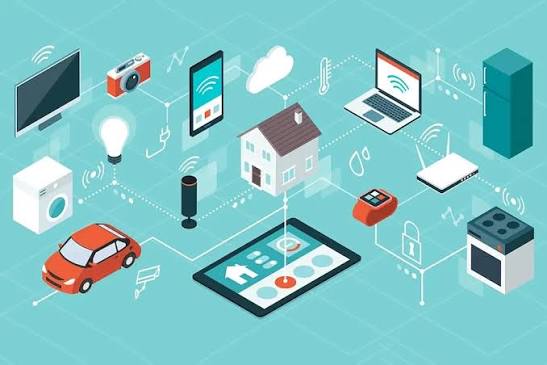
Smart home technology is another example of how innovation continues to influence daily life. Connected devices allow homeowners to control lighting, security systems, appliances, and temperature settings through smartphones or voice commands.
Smart speakers, automated security cameras, and energy-efficient devices provide convenience while helping people manage their homes more effectively. These technologies can improve comfort, reduce energy consumption, and increase safety.
The development of the Internet of Things (IoT) has expanded the possibilities of connected living. As more devices become capable of sharing information, homes and cities are becoming smarter and more efficient.
Technology’s Role in Healthcare Advancement
Healthcare has benefited greatly from technological innovation. Medical technology has improved diagnosis, treatment, and patient care. Advanced imaging systems, robotic surgeries, wearable health devices, and electronic medical records have transformed the healthcare industry.
Wearable devices allow individuals to monitor important health information such as activity levels, heart rates, and sleep patterns. These tools encourage people to take a more active role in managing their well-being.
Telemedicine has also become an important technological development, allowing patients to consult healthcare professionals remotely. This has improved access to medical services, especially for people living in areas with limited healthcare facilities.
The Influence of Technology on Business and Work
Technology has changed the workplace by introducing new ways of communication, collaboration, and productivity. Businesses now use digital tools to manage operations, connect with customers, and improve services.
Remote work has become more practical because of video conferencing platforms, cloud storage systems, and online collaboration tools. Employees can work from different locations while maintaining effective communication with their teams.
Automation has also influenced many industries by handling repetitive tasks and allowing workers to focus on more complex responsibilities. While technology continues to create new opportunities, businesses must also ensure that employees develop the skills needed to succeed in a changing environment.
The Importance of Cybersecurity in a Digital World
As technology becomes more important in daily life, cybersecurity has become a major concern. People and organizations store large amounts of personal and financial information online, making data protection essential.
Cybersecurity practices such as strong passwords, secure networks, software updates, and awareness of online threats help protect users from digital risks. Companies also invest in advanced security systems to safeguard customer information and maintain trust.
A secure digital environment allows people to enjoy the benefits of technology while reducing potential dangers. As cyber threats continue to evolve, cybersecurity will remain a crucial part of technological development.
The Future of Technology and Human Progress
The future of technology promises continued innovation and transformation. Emerging technologies such as advanced robotics, renewable energy solutions, virtual reality, and improved artificial intelligence systems are expected to influence many areas of life.
Future technological developments may create smarter cities, more efficient transportation systems, and new approaches to solving global challenges. However, responsible innovation will be necessary to ensure that technology benefits society as a whole.
The relationship between humans and technology will continue to grow stronger. By adapting to new advancements and using technology wisely, people can take advantage of opportunities while addressing potential challenges.
Conclusion
Technology continues to shape daily lives by improving communication, increasing convenience, and creating new possibilities across different industries. From smartphones and artificial intelligence to healthcare innovations and smart homes, technological progress has changed how people interact with the world.
As society moves forward, technology will remain a powerful force driving change and development. Understanding its impact and using it responsibly will help individuals and communities build a more connected, efficient, and innovative future. The continuous evolution of technology demonstrates that innovation is not just about creating new tools but also about improving the way people live, work, and experience everyday life.