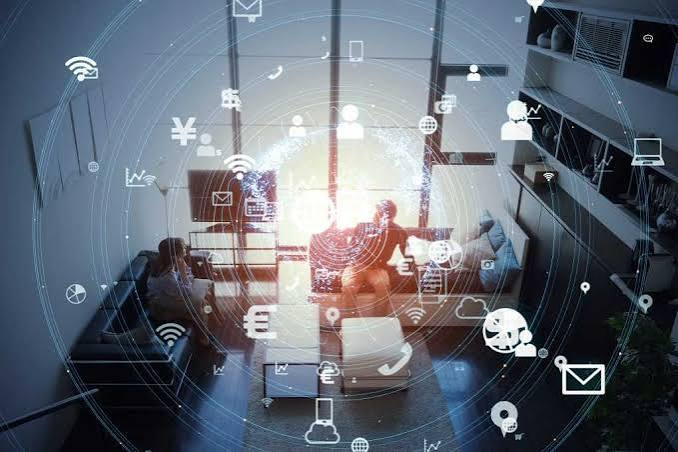
Smart technology has become one of the most influential forces shaping the modern world. From smartphones and connected homes to artificial intelligence and advanced communication networks, technology continues to transform the way people live, work, and interact. The rapid growth of digital solutions has created a highly connected environment where devices, systems, and individuals can exchange information instantly. In today’s digital landscape, platforms such as luxury111cz.com demonstrate how online connectivity and technology-driven experiences continue to expand across different industries. The future of connectivity is not only about faster internet but also about creating intelligent ecosystems that improve efficiency, convenience, and overall quality of life.
The Evolution of Smart Technology
Smart technology has developed significantly over the past few decades. Early digital devices were designed mainly for basic tasks, but modern innovations have introduced intelligent features that allow machines to learn, adapt, and respond to human needs. The introduction of smartphones, cloud computing, and artificial intelligence has changed how people communicate and access information.
Today, smart devices are everywhere. Wearable technology tracks health activities, smart assistants manage daily schedules, and connected appliances provide greater control over household environments. These advancements show that technology is moving beyond simple automation toward creating personalized experiences.
The evolution of smart technology is driven by the need for better communication, faster decision-making, and improved resource management. As businesses and individuals continue adopting digital tools, connectivity becomes an essential part of everyday life.
The Role of Artificial Intelligence in Connectivity
Artificial intelligence (AI) plays a major role in the future of smart technology. AI enables devices to analyze data, recognize patterns, and make intelligent decisions without constant human input. This capability allows technology to become more responsive and efficient.
For example, AI-powered systems can predict user preferences, optimize business operations, and improve customer experiences. Smart assistants can understand voice commands, while intelligent software can analyze large amounts of information within seconds.
In the future, AI will continue improving connectivity by creating stronger relationships between humans and machines. Devices will not only communicate with each other but will also understand user behavior and provide solutions before problems occur.
The Growth of the Internet of Things (IoT)
The Internet of Things (IoT) is one of the most important developments in smart technology. IoT connects everyday objects to the internet, allowing them to collect and share data. This technology has introduced a new level of interaction between devices.
Smart homes are a popular example of IoT implementation. Homeowners can control lighting, security systems, temperature settings, and appliances through connected devices. Similarly, smart cities use IoT technology to improve traffic management, energy usage, and public services.
Industries are also benefiting from IoT solutions. Manufacturing companies use connected machines to monitor performance, reduce downtime, and increase productivity. Healthcare providers use smart devices to monitor patients remotely and provide better medical support.
As IoT continues to expand, connectivity will become more integrated into daily activities, making environments more intelligent and efficient.
The Impact of 5G and Future Communication Networks
Fast and reliable communication networks are essential for the growth of smart technology. The development of 5G networks has significantly improved internet speed, reduced delays, and increased the ability to connect multiple devices simultaneously.
With faster connectivity, technologies such as autonomous vehicles, virtual reality, and advanced robotics can operate more effectively. Businesses can use real-time data to make faster decisions, while consumers can enjoy smoother digital experiences.
Future communication networks are expected to become even more advanced. Next-generation connectivity will support billions of connected devices and create opportunities for innovations that are currently being developed. These networks will serve as the foundation for a more interconnected world.
Smart Homes and Connected Living
Smart homes represent one of the most visible examples of how technology is changing lifestyles. Modern households are becoming more automated, secure, and energy-efficient through connected devices.
Smart lighting systems can adjust according to user preferences, while smart security cameras provide remote monitoring. Automated heating and cooling systems help reduce energy consumption by adjusting settings based on environmental conditions.
Connected living is not limited to convenience. Smart technology can also support accessibility by helping elderly individuals and people with disabilities manage daily tasks more independently. As smart home technology continues to improve, homes will become more adaptive and responsive to human needs.
Smart Technology in Business and Industry
Businesses across different sectors are using smart technology to increase productivity and improve customer experiences. Digital transformation has become a priority for organizations seeking long-term growth in a competitive market.
Companies use artificial intelligence, automation, and data analytics to understand customer behavior and improve decision-making. Smart systems help businesses reduce operational costs, manage resources effectively, and develop innovative products and services.
In industries such as manufacturing, agriculture, transportation, and healthcare, smart technology is creating more efficient processes. Automated systems can monitor operations, identify issues, and suggest improvements, allowing organizations to achieve better results.
The future of business will depend heavily on connected technologies that enable faster communication and smarter strategies.
The Importance of Data Security and Privacy
While smart technology provides many benefits, it also creates challenges related to security and privacy. As more devices become connected, the amount of personal and business data being collected increases.
Protecting sensitive information is essential for maintaining trust in digital systems. Companies must develop strong cybersecurity measures to prevent unauthorized access and data breaches. Users also need to understand safe online practices to protect their personal information.
Future smart technologies will require advanced security solutions, including improved encryption, artificial intelligence-based threat detection, and stronger privacy regulations. Ensuring secure connectivity will be a key factor in the continued growth of digital innovation.
The Future of Smart Connectivity
The future of connectivity will bring even greater integration between technology and human experiences. Emerging innovations such as artificial intelligence, quantum computing, augmented reality, and advanced robotics will create new possibilities.
Future networks will allow devices to communicate more efficiently and provide personalized solutions in real time. Healthcare systems may use smart technology for advanced monitoring, education may become more interactive through digital platforms, and transportation systems may become safer through automation.
Smart connectivity will also support sustainability by helping organizations manage resources more effectively. Intelligent energy systems, smart agriculture solutions, and efficient transportation networks can contribute to a more environmentally responsible future.
Challenges in the Adoption of Smart Technology
Despite its advantages, smart technology faces several challenges. The cost of implementation, technical complexity, and lack of digital skills can limit adoption. Some communities may struggle to access advanced technologies due to limited infrastructure.
Another challenge is ensuring that technological growth benefits everyone. Digital inequality remains an important issue, as not all individuals have equal access to high-speed internet and modern devices.
Addressing these challenges requires cooperation between governments, businesses, and technology developers. Investments in infrastructure, education, and cybersecurity will help create a more inclusive digital future.
How Smart Technology Will Transform Everyday Life
Smart technology will continue changing how people communicate, work, and interact with their surroundings. Daily activities will become more connected through intelligent systems designed to save time and improve efficiency.
In workplaces, smart collaboration tools will allow teams to communicate globally and complete tasks more effectively. In personal life, connected devices will provide greater convenience and customized experiences.
As technology becomes more advanced, the relationship between humans and digital systems will become increasingly natural. Voice recognition, automation, and intelligent recommendations will make technology easier and more useful for everyone.
Conclusion
Smart technology is transforming the world by creating a future where connectivity is faster, smarter, and more meaningful. From artificial intelligence and IoT to advanced communication networks, technological innovations are building a more connected society.
The future of connectivity will not only focus on linking devices but also on improving human experiences, increasing efficiency, and solving global challenges. As smart technology continues to evolve, businesses and individuals must embrace innovation while prioritizing security, privacy, and accessibility.
The journey toward a fully connected future has already begun, and smart technology will remain a powerful force shaping the way people live and interact in the years ahead.